

The most important relationship I lost after I shared my story.
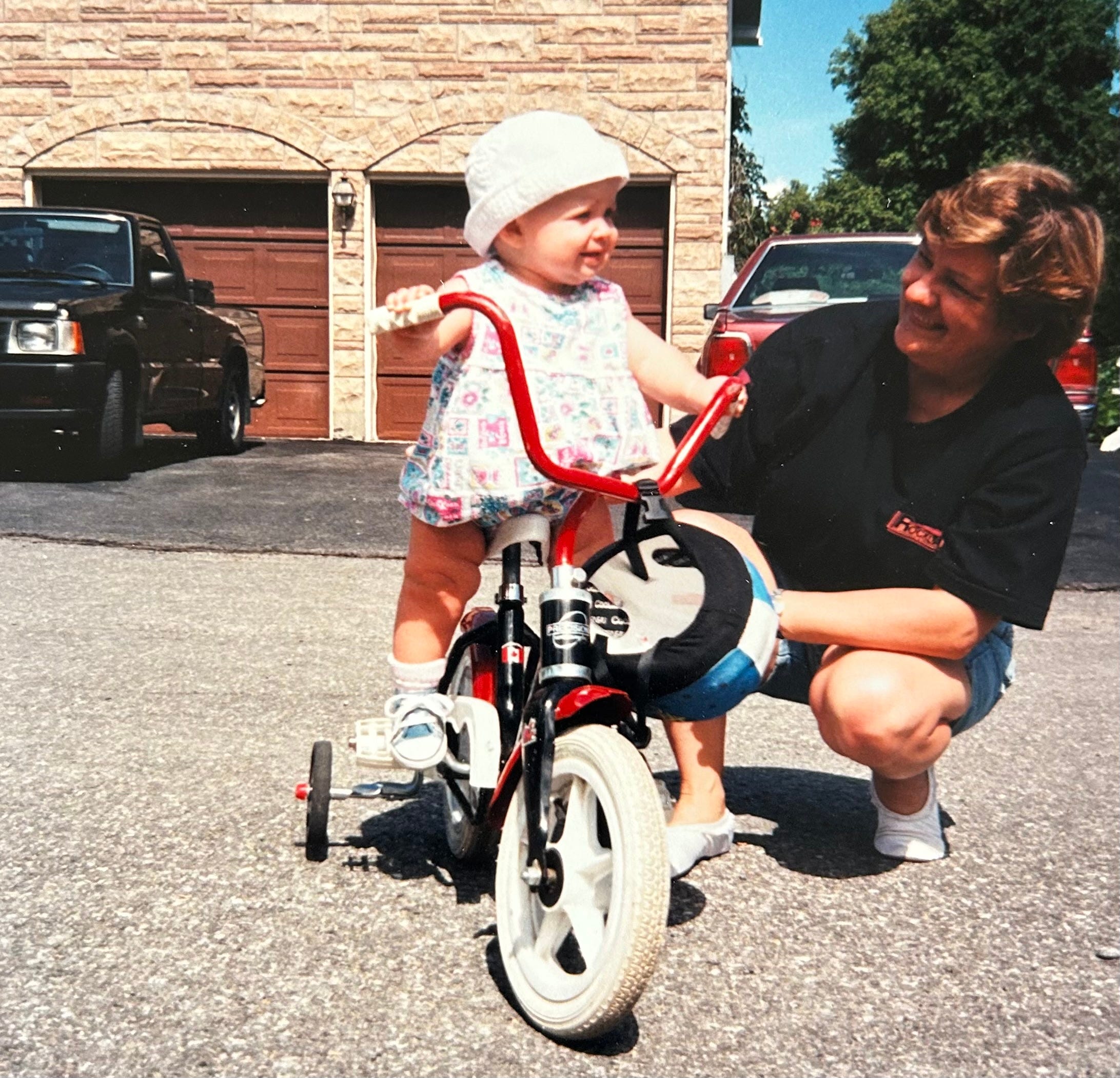
I lost the grandmother who once held me, not because I lied—but because I finally spoke the truth.

When I first started speaking out, I knew there would be fallout. I anticipated resistance. What I didn’t expect (but sort of always did at the same time) was to lose the one woman I once considered the safest place I’d ever known—my grandmother.
Years ago, after opening up to her multiple times about my mother’s emotional neglect (I couldn’t call it abuse back then), she responded with words I’ll never forget:
“I will always defend your mother—she is my daughter.”
And just like that, my place in the family system was made undeniably clear.
How lucky she is, my mother. To be granted unrelenting protection, unwavering loyalty. The kind of loyalty I never received as her child. While she was being defended, I was being discarded—repeatedly. Her comfort mattered more than my pain. Her image, more than my truth.
I will always love my grandmother. From afar.
She was the only woman who ever nurtured me growing up. My Mamie and Papie—the ones who made me feel like I mattered, even in small, quiet ways. But I can’t keep loving people at the expense of myself. I can no longer overlook ignorance or tolerate wilful abandonment—especially not from those who claimed to care.
My loyalty deserves equal return.
My grandfather, who passed when I was 19, would’ve understood. He was a man who moved mountains to make me feel safe. A man who held his family to a high standard of integrity. I talk to him often still, and I know he carries me through the same legal battle he supported my mother in.
Below is an excerpt from my memoir that touches on my parents, especially my mom. It offers context for why sharing my story has come with so much grief—and also, so much liberation.
When I received confirmation of my BPD diagnosis and began looking into what it was, the first person I thought of was my dad. He'd passed away earlier that year, but by merely scratching the surface of what this new definition entailed, it was clear that l'd inherited this evidence of hurt from him. He too had been neglected throughout his formative years, and it manifested itself heavily in adulthood. He was wildly impulsive—mostly with money—but as my mother always affirmed, buried deep within him was a heart of gold. He made some terribly inexcusable judgement calls which cost people a great deal of hardship. The night before I was a flower girl at my godmother's wedding, he had his jaw broken by a group of men he owed money to. The first paycheque my mother earned from teaching was seized because his debt was in collections—this is something my mom never let me live down. All the financial turmoil he put her through was projected onto me.
Although the only way she was ever capable of showing me affection was through material acquisitions, I was continuously blamed and shamed for having materialistic tendencies and overall normal struggles around making ends meet. This is a very common dynamic within narcissistic families: they set expectations for you that they themselves could never reach. My mom & I lived with her parents for several years after she left my dad, so she was well supported in rebuilding herself. Now that the father of my children is putting me through the same hell she experienced in order to access the support I'm entitled to, she couldn't be less bothered by my inability to succeed. On the contrary, she goes through him to access my children. He is very well attuned to her established pattern of emotional neglect towards me: on my 25th birthday, my mom showed up empty handed. She took me aside and said she was working on a scrapbook of her favourite memories with me, but that it wasn't ready yet. I'm turning 30 this year, and still no scrapbook.
This is the reality I was raised in: my pain was an inconvenience. My voice, a threat. My truth, a betrayal.
It’s not just about my mother. Or my father. Or my cousin who lied about me and never made amends. It’s about a family structure built on image maintenance and shame. A system where honesty is punished, and silence is rewarded. Where scapegoats are created so others don’t have to confront their own wounds.
After I lost Alice—my baby—I realized with devastating clarity that no one was coming to save me. I called my mom from the bath, bleeding and aching, and she told me maybe I should’ve been more careful. Her only response to my pain was shame. Her only concern was herself.
That day, I made the decision to say goodbye to the mother who never deserved me as her daughter.
It was both one of the most traumatic and most liberating choices I’ve ever made. I finally said it out loud: you are a narcissist. And in doing so, I reclaimed a part of myself I thought had been permanently lost.
I wish I could tell you it got easier after that, but the truth is, healing often looks a lot like devastation before it looks like peace. I was excluded from holidays. I was gossiped about. I was painted as crazy and unstable, while my ex—who has his own deep pattern of abuse—was embraced with open arms by the very people who were supposed to support me.
The most heartbreaking betrayal? That my own family would go through him—him—to access my children. But I’ve come to understand this: When you tell the truth in a system built on secrets, you become the enemy.
I don’t write these words for pity or revenge. I write them to anchor myself in reality. To give voice to the girl who was repeatedly mocked as a “drama queen,” when in truth, she was just deeply misunderstood. I write for the woman I’ve become—one who refuses to stay silent to protect those who abandoned her.
This is for anyone who has ever been told they’re “playing the victim” when they’re actually naming the truth.
This is for those who’ve been scapegoated, silenced, and shamed—especially by the people who were supposed to love them.
This is for the survivors who are learning how to parent themselves with gentleness, because no one else ever did.
To anyone who feels unseen, unheard, or unworthy:
You are not the problem.
You are the pattern-breaker.
You are the truth-teller.
You are whole.
As Halsey put it best: I’m not a martyr. I’m a problem. And that’s fine by me. I’d rather be a problem in a broken system than a quiet participant in its dysfunction.
May this be a reminder: the relationships we lose when we speak our truth were never built to hold it in the first place. The love I offer now is reserved for those who can meet me in honesty. That includes myself—and it includes the little hearts I’m raising.
While I mourn the loss of the grandmother I once held so close, I’ve also been gifted the presence of a different kind of grandmother—the kind who chooses me.
My partner’s grandmother read the entire manuscript of my memoir, front to back, within days of meeting me. She didn’t flinch. She didn’t turn away. Instead, she held my story with gentleness and grace. She told me I was courageous. She told me I reminded her of herself. And then, with a soft and steady voice, she said something I’ll never forget:
“You’ve inspired me to write my own story, too.”
She sees me. She celebrates my voice. She welcomes me with compassion, not conditions. And in doing so, she’s shown me that the role of grandmother isn’t bound by blood—it’s defined by love, presence, and the courage to bear witness to another’s truth.
To the woman who once held me and later turned her back on me—I will always love you. From afar. But I will never again abandon myself in order to be loved.
Oh how I wish I didn’t resonate with SO MUCH of all of this. 🫶